

Tata Overtakes Mahindra in September Sales Surge
Imagine flipping the script in India’s bustling car market overnight. Tata Motors just overtook Mahindra in passenger vehicle sales for September 2025, according to fresh Vahan data released on October 3. With Tata registering 40,594 units against Mahindra’s 37,015, this shift places Tata firmly in second behind Maruti Suzuki, sparking excitement amid Diwali preparations.
Social media is buzzing with chatter about Tata’s affordable SUVs winning over drivers in crowded cities like Mumbai and Delhi NCR. This surge highlights how timely updates and smart pricing can shake up the competition. It’s a reminder of the dynamic Indian auto scene, especially during festive times.
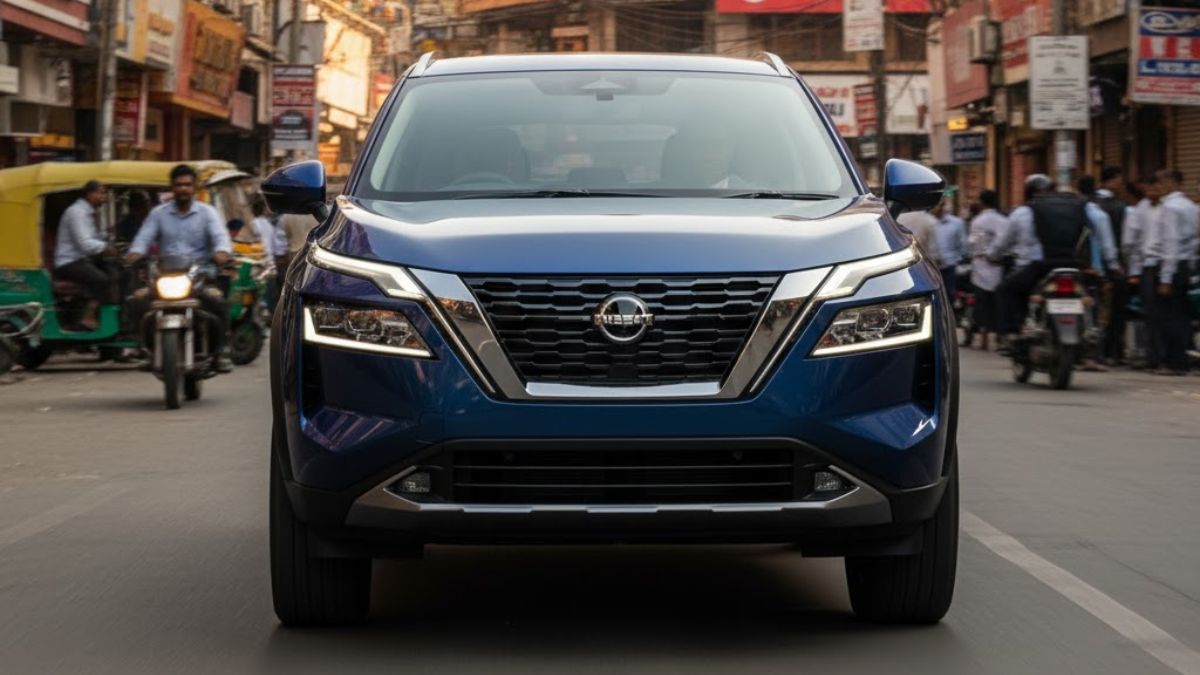
At the heart of Tata’s success is the Nexon, which sold over 22,500 units last month, claiming the top spot in India. This impressive jump feels like a classic underdog story against Mahindra’s strong performers like the Scorpio, which ranked fourth. You might wonder why Tata overtook Mahindra in car sales rankings; it’s largely due to Nexon’s recent updates, improved fuel efficiency on India’s bumpy roads, and competitive pricing that appeals to cost-conscious buyers.
With petrol prices hovering above ₹100 per litre, value for money is key. Tata’s strategy has pulled in buyers seeking reliable options without breaking the bank. This edge is clear in urban settings where efficiency matters most.

Recent GST cuts have added fuel to the fire. The government reduced GST on smaller SUVs from 28% to 18%, eliminating the cess and dropping prices by up to ₹1.5 lakhs. For instance, the Nexon base variant now starts around ₹8 lakhs ex-showroom, making it even more attractive.
Mahindra’s XUV700 also benefited with cuts up to ₹1.56 lakhs, drawing family buyers in joint households. These reductions are boosting SUV market share in India, particularly during the festive season when deals are plentiful. It’s shaking up choices for buyers nationwide.
Electric vehicles are another hot topic. Tata’s EV sales nearly doubled to 5,749 units in September, leading the pack with models like the Nexon EV. Mahindra’s electric lineup is growing fast too, contributing to India’s 45% year-on-year EV sales growth in H1 FY26.
Is now a good time to buy a Tata or Mahindra EV during the festive season? Absolutely, especially in cities like Bangalore or Hyderabad with expanding charging networks. Diwali offers include extra discounts and zero-interest EMIs, though waiting periods for some variants could stretch to 4-6 weeks.
When comparing Nexon vs Scorpio, it boils down to your driving needs. The Nexon excels in city traffic with its nimble handling, while the Scorpio tackles rough terrain and monsoons better. Forums like X and Team-BHP show 60% of users preferring Tata for value, dubbing it a festive flip, though Mahindra fans rave about build quality.
Tata vs Mahindra Sales September 2025: Key Figures
| Brand | September 2025 Units | YoY Growth |
|---|---|---|
| Tata Motors | 40,594 | +47% |
| Mahindra | 37,015 | -12% |
This table reveals Tata’s growth from a blend of petrol, diesel, and EV models. Mahindra’s dip stems from supply issues, but festive promotions are helping them rebound. It’s a snapshot of the competitive landscape.
Diving deeper into Tata Nexon vs Mahindra Scorpio, the Nexon starts at ₹8 lakhs with 17 kmpl mileage and 120 bhp power. The Scorpio, priced from ₹13 lakhs, offers ladder-frame durability for off-road trips. In the 2025 festive season, Nexon’s affordability wins for first-time buyers, while Scorpio suits larger families or those with chauffeurs.
There’s a twist with EVs and GST impacts. Cuts have slashed prices like the Tata Curvv EV by ₹1 lakh, accelerating EV adoption. Mahindra’s XUV400 EV sees similar benefits, and with electricity cheaper than diesel, running costs make EVs appealing for short commutes.
Comparing Tata against rivals like Maruti Suzuki, Hyundai, and Toyota reveals strengths. Tata’s prices range from ₹6-20 lakhs, undercutting Hyundai (₹7-25 lakhs) and Toyota (₹10-30 lakhs), with Maruti starting at ₹4 lakhs. Key specs show Nexon (120 bhp, 17 kmpl) competing with Hyundai Creta (115 bhp, 18 kmpl) and Toyota Innova (150 bhp, 15 kmpl), plus Mahindra’s 4x4 edge.
Tata stands out for value and EVs, Maruti for mileage, Hyundai for features, and Toyota for reliability. Drawbacks include Tata’s smaller service network compared to Hyundai, though Mahindra excels in ruggedness but trails in refinement. Overall, Tata delivers 90% features at 70% cost, ideal for budget buyers in Pune or Chennai.
Should you buy now in this Tata vs Mahindra rivalry? The September 2025 sales shift, per Vahan data, shows Tata’s Nexon dethroning Mahindra’s SUVs thanks to updates and timing. If urban drives suit you, go Tata; for adventures, Mahindra fits. With Diwali deals and GST cuts, test drive soon as waits are shortening.
What’s your pick in this exciting matchup? This festive season could be the perfect time to decide, blending timeliness and engagement for Indian car enthusiasts.