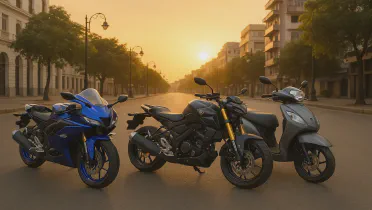


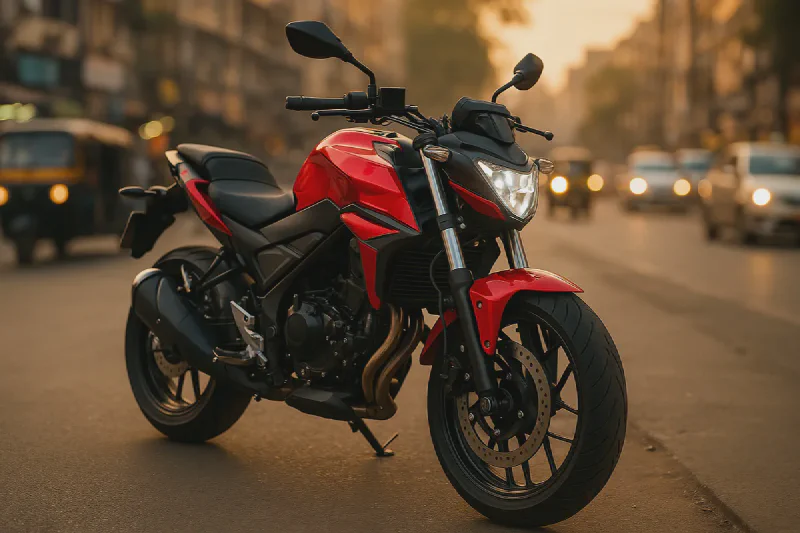
If you have decided you want a TVS Apache but cannot work out which one, this is the page for you. There are seven Apaches on sale right now, from a ₹1.10 lakh commuter to a ₹2.62 lakh faired sportbike, and the spec sites will happily list all of them without ever telling you which is right for you.
So let us do that. Below is every current Apache, what each one is actually good at, the honest “buy this, skip that” calls, and a simple way to pick by how you ride and what you can spend. Prices are ex-showroom and move often, so treat them as a guide and confirm at the dealer before you buy.
The fast answer: which Apache to buy
- Daily city commute on a budget: TVS Apache RTR 160 (2V). Cheapest, lightest, most efficient.
- The same commute but you want more polish: RTR 160 4V. For around ₹15,000 more it buys a smoother, oil-cooled engine, ride modes and Bluetooth. For most buyers this is the sweet spot.
- Most performance for the money without going premium: RTR 200 4V. The classic “first fast bike”.
- One bike for city plus weekend highway and light touring: RTX 300. Tall, comfortable, 300cc.
- A track-flavoured naked you will grow into: RTR 310. Big power, real electronics.
- You want the faired, fastest Apache and the badge: RR 310.
- Skip: the RTR 180, in our view, unless you find a strong deal. It sits in an awkward gap that the 160 4V and 200 4V cover better.
The rest of this guide explains why.
Every TVS Apache at a glance (2026)
| Model | Engine | Power (approx) | Real-world mileage | From (ex-showroom) | Best for |
|---|---|---|---|---|---|
| RTR 160 (2V) | 159.7cc, air-cooled | 16.04 PS / 13.85 Nm | 45 to 47 kmpl | ₹1.10 lakh | Budget daily commute |
| RTR 160 4V | 159.7cc, oil-cooled | 17.55 PS / 14.73 Nm | 45 to 50 kmpl | ₹1.25 lakh | The all-rounder pick |
| RTR 180 | 177.4cc, oil-cooled | ~17 PS / 15.5 Nm | 40 to 45 kmpl | ₹1.26 lakh | Few specific buyers |
| RTR 200 4V | 197.75cc, oil-cooled | ~20.8 PS / 17.25 Nm | 38 to 42 kmpl | ₹1.41 lakh | Value performance |
| RTX 300 | 299cc, liquid-cooled | ~36 PS / 28.5 Nm | 30 to 32 kmpl | ₹1.99 lakh | City + touring |
| RTR 310 | 312.2cc, liquid-cooled | ~35.6 PS / 28.7 Nm | ~30 kmpl | ₹2.25 lakh | Naked performance |
| RR 310 | 312.2cc, liquid-cooled | ~38 PS / 29 Nm | ~30 kmpl | ₹2.62 lakh | Faired flagship |
Power and mileage are approximate and vary by variant, riding style and traffic. Verify the exact on-road price and current specs at a TVS dealer before booking.
The Apache range, model by model
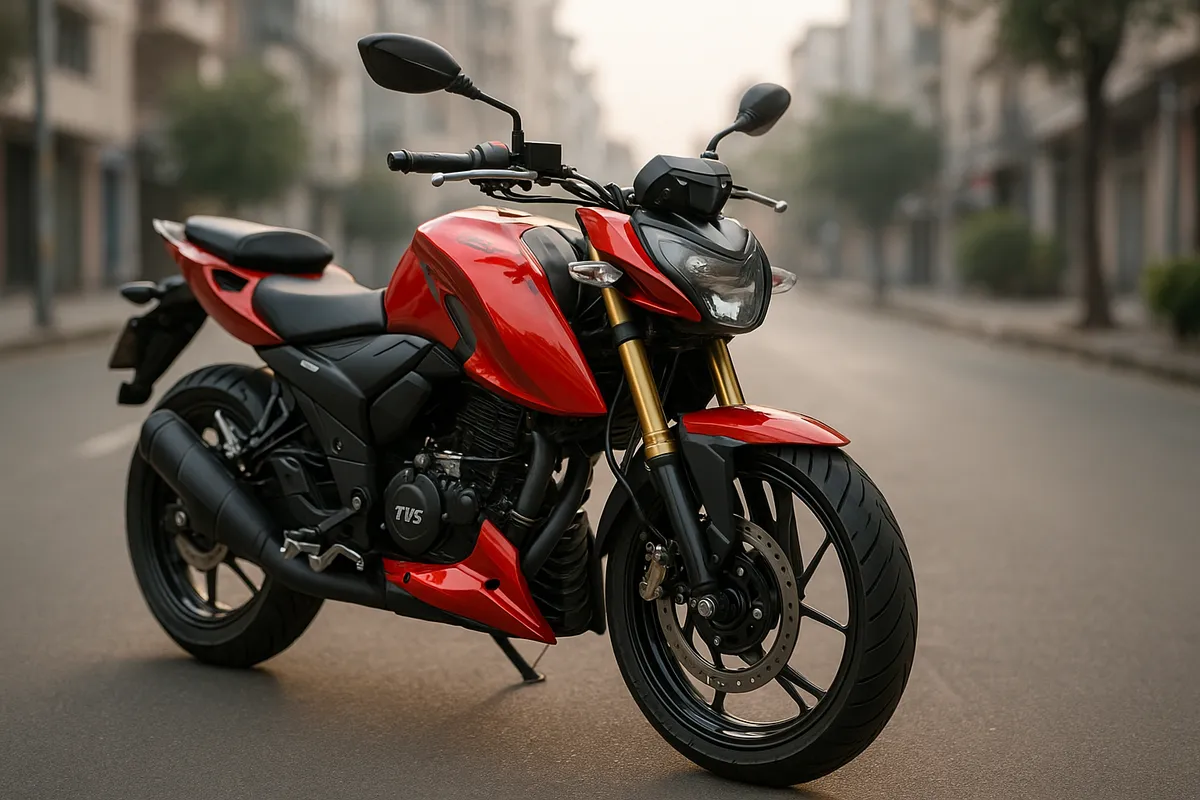
TVS Apache RTR 160 (2V): the value commuter
The cheapest way into the Apache name. The 159.7cc air-cooled engine makes 16.04 PS and 13.85 Nm, which is plenty for city riding, and it is the most fuel-efficient Apache at a real 45 to 47 kmpl. It is light, easy to handle in traffic, and cheap to run and service.
Buy it if your budget is tight and the bike’s main job is getting to work and back. If you can stretch a little, read the next one first. We cover this bike in depth in our TVS Apache RTR 160 buying guide.
TVS Apache RTR 160 4V: the all-rounder most people should buy
For around ₹15,000 more than the cheapest 2V (and about level with a top-spec 2V), the 4V gives you an oil-cooled engine (17.55 PS, 14.73 Nm), three ride modes, a slipper clutch on higher trims and Bluetooth. It is smoother at speed, a little quicker, and feels more modern, while still returning 45 to 50 kmpl.
This is the Apache we would point most buyers towards. It is the best balance of price, refinement and running cost in the line-up. For the long-term ownership view, see our real-world RTR 160 review, and if you are cross-shopping the obvious rival, our RTR 160 vs Pulsar 160 NS comparison.
TVS Apache RTR 180: the one to think twice about
The numbers explain the problem. The 177.4cc oil-cooled RTR 180 makes about 17 PS, which is actually a shade less than the cheaper RTR 160 4V (17.55 PS), though the bigger engine does give it more torque and low-end grunt. So you pay more than the 160 4V for no real gain in peak power, while the 200 4V just above it is clearly faster and better equipped. Unless you find a genuinely good deal, your money is better spent on the 160 4V below it or the 200 4V above it.
TVS Apache RTR 200 4V: the classic first fast bike
The 197.75cc 200 4V (around 20.8 PS, 17.25 Nm) is the traditional pick for a young rider’s first “proper” performance bike. It is quick enough to be exciting, still light and friendly, and gets ride modes and a slipper clutch. Mileage drops to roughly 38 to 42 kmpl, which is the price of the extra punch. If you want performance without stepping up to premium money, this is the one. For the price, the variant breakdown and which one to buy, see our TVS Apache RTR 200 4V buying guide.
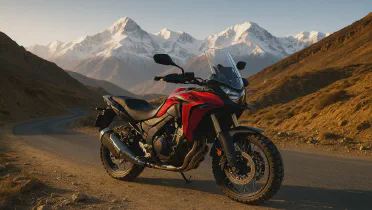
TVS Apache RTX 300: the do-it-all 300
The RTX 300 is the newest direction for the brand: a tall, upright 299cc liquid-cooled machine (around 36 PS, 28.5 Nm) built for both city commuting and weekend highway runs. The upright seating, wind protection and bigger engine make long rides far easier than on a small naked bike. The trade-off is mileage of about 30 to 32 kmpl. At an introductory ₹1.99 lakh it is the value pick if you want one bike that handles the daily grind and the occasional trip. More in our TVS Apache RTX 300 price and verdict.
TVS Apache RTR 310 and RR 310: the premium pair
Both use the 312.2cc liquid-cooled engine developed with BMW Motorrad. The RTR 310 is the naked streetfighter (around 35 PS) from about ₹2.25 lakh; the RR 310 is the fully faired sportbike (around 38 PS) from about ₹2.62 lakh. The roughly ₹37,000 gap mostly buys the full fairing, a sharper riding position and a little more top-end. Choose the RTR 310 if you want comfort and everyday usability with big-bike power; choose the RR 310 if you want the faired look and the flagship badge, and you are happy with a more committed stance.
Which Apache should you buy? Pick by how you ride
- “I just commute and want to spend the least.” RTR 160 (2V).
- “I commute but want it to feel nice.” RTR 160 4V. This is the default recommendation.
- “I want my first fast bike.” RTR 200 4V.
- “I want one bike for the city and the occasional 300 km weekend.” RTX 300.
- “I want serious power and electronics and will ride it hard.” RTR 310.
- “I want the faired flagship.” RR 310.
- “What about the RTR 180?” Only at a strong discount. Otherwise the 160 4V or 200 4V is the better buy.
What an Apache actually costs to run
Performance bikes feel cheap to buy and then surprise you at the pump, so it is worth doing the maths before you choose. At a petrol price of around ₹100 per litre:
- RTR 160 at about 45 kmpl works out to roughly ₹2.2 per km.
- RTX 300 at about 32 kmpl works out to roughly ₹3.1 per km.
Over 1,000 km a month that is a difference of about ₹900, or more than ₹10,000 a year, before you add the higher service and tyre costs of a bigger bike. None of this is a reason to avoid the larger Apaches, but it should weigh into the choice if your riding is mostly city commuting. Note too that most current bikes run on E20 petrol now; you can check what that means for your model with our E20 fuel compatibility checker.
TVS Apache FAQs
Which TVS Apache is the most fuel-efficient? The RTR 160 (2V), at a real-world 45 to 47 kmpl. The RTR 160 4V is close behind.
Which Apache gives the best value for money? For most buyers the RTR 160 4V, for its mix of refinement, features and running cost. For pure performance per rupee, the RTR 200 4V.
What is the most powerful TVS Apache? The RR 310, with around 38 PS from its 312.2cc liquid-cooled engine.
Is the RTX 300 good for daily use? Yes. Its upright, comfortable riding position suits the city, and the bigger engine makes weekend highway trips easy. Just expect mileage of about 30 to 32 kmpl.
The bottom line
If you take one thing from this guide: most people asking “which TVS Apache should I buy” are best served by the RTR 160 4V. It is refined, well-equipped and cheap to run. Step up to the RTR 200 4V if you want more performance, or the RTX 300 if you want one bike for commuting and the occasional tour. Save the RTR 310 and RR 310 for when you genuinely want premium, big-bike power, and treat the RTR 180 as a deal-only buy.
Next, read our deep dives on the RTR 160 buying guide, the real-world RTR 160 review, and the RTR 160 vs Pulsar 160 NS comparison. And if a geared bike feels like more than you need for pure city commuting, our best scooters under ₹1 lakh guide covers the cheaper, easier automatic options.