
If you’re in the market for a zippy 160cc bike that can handle the chaos of Indian roads from pothole-ridden city streets to those long highway hauls, you’re probably eyeing the segment that’s been a favorite for years. The 160cc category is where affordability meets excitement, perfect for young riders, daily commuters, or even weekend enthusiasts who want a bit of thrill without breaking the bank. In India, with fuel prices fluctuating and traffic jams being a daily ritual, these bikes strike that sweet balance of power, mileage, and style.
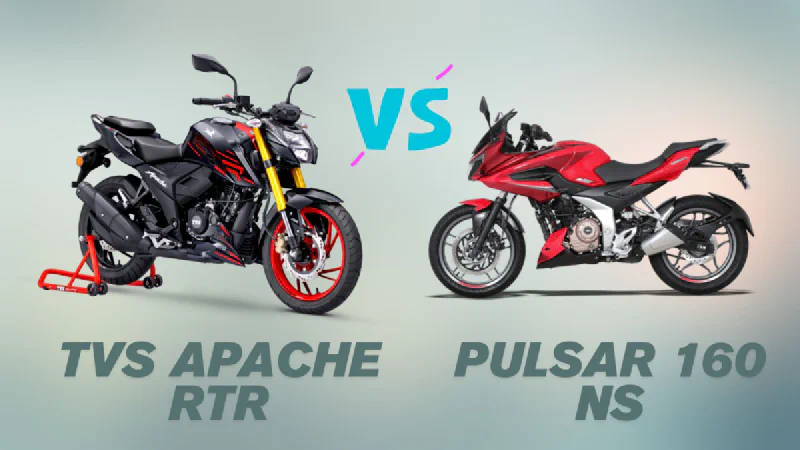
Now, two names that always pop up in conversations at chai stalls or online forums are the TVS Apache RTR 160 and the Bajaj Pulsar 160 NS. Why? Because they’re direct rivals in the naked bike segment, both packing punchy engines and aggressive looks that scream “I’m not just a commuter.” The Apache has that race-bred heritage from TVS’s motorsport days, while the Pulsar has built a cult following since the early 2000s with its “Definitely Male” vibe. Riders often debate: Which is better, TVS RTR 160 or Pulsar 160? It’s not black and white depends on what you prioritize, like refinement versus raw torque.
This comparison draws on owner feedback from places like Reddit and Team-BHP, along with specs from reliable sources, to weigh everything from design to ownership costs. By the end, you’ll have a clearer idea whether the Apache’s sporty edge or the Pulsar’s streetfighter swagger suits your riding style better. For the full picture on the Apache itself, see our RTR 160 buying guide and real-world review.
Design & Styling
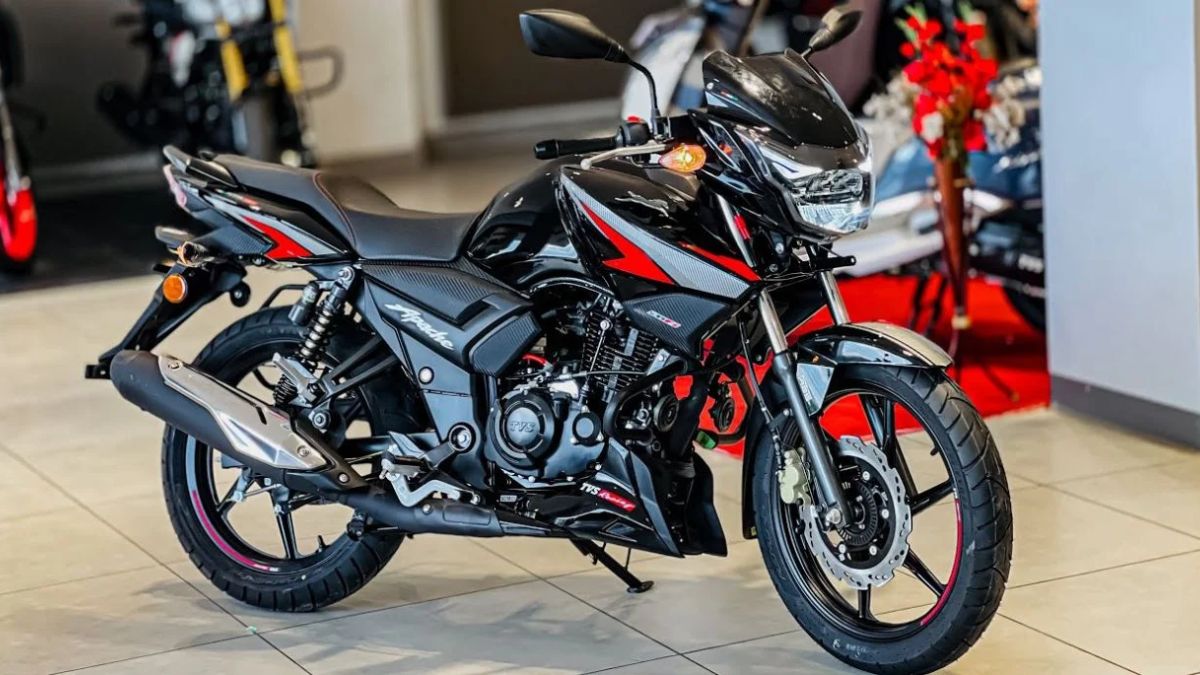
When it comes to first impressions, both these bikes turn heads, but in different ways. The TVS Apache RTR 160 has evolved into a sharper, more aerodynamic machine, especially in its 4V variant. Think sleek lines, a sculpted fuel tank, and those LED headlights that give it a premium feel. It’s got a sporty stance, low-slung and ready to pounce, which appeals to riders who want something that looks track-inspired without being over-the-top.
- Colors like Matte Blue or Racing Red add that extra flair, making it stand out in a sea of boring commuters.
On the flip side, the Bajaj Pulsar 160 NS rocks that classic streetfighter appeal with its muscular build, wolf-eye headlamps, and a beefier rear tyre. It’s got an aggressive, no-nonsense look that’s been a Pulsar hallmark—wide handlebars, underbelly exhaust, and options like Pewter Grey that scream urban warrior.
- If you’re into that bold, in-your-face styling, the NS160 feels more commuter-friendly yet edgy, perfect for city prowls.
Across owner forums and social posts, many riders love the Pulsar’s presence for its “big bike” illusion, while the Apache gets nods for being more refined and less bulky. In short, the Apache looks lighter and more agile, while the Pulsar has more visual bulk and road presence.
Engine & Performance
Diving into the heart of these machines, the TVS Apache RTR 160 specs vary by variant.
The base 2V model has a 159.7cc air-cooled engine churning out 16.04 PS and 13.85 Nm, while the premium 4V ups it to 17.55 PS and 14.73 Nm with oil cooling for better heat management.
That 4-valve setup makes it rev-happy, hitting a top speed of around 114 kmph in Sport mode—great for quick overtakes on highways.
Real-world riding? It’s smooth, with minimal vibrations, and that Glide Through Technology (GTT) lets you crawl in traffic without clutching much.
The Pulsar 160 NS, with its 160.3cc oil-cooled 4-valve (SOHC) engine, matches closely at 17.2 PS and 14.6 Nm.
- It shines in low-end torque, pulling strong from standstill—ideal for stop-go city rides.
- Top speed hovers at 120 kmph, but it can feel vibey above 80 kmph.
The Pulsar delivers a more linear punch, like a reliable workhorse, whereas the Apache’s high-rev nature makes it more fun for spirited rides. If you’re asking about TVS Apache RTR 160 top speed versus Pulsar, the NS edges it slightly on paper, but the Apache feels quicker in the mid-range.
Mileage & Efficiency
Fuel efficiency is a big deal in India, right? With petrol prices what they are, you want a bike that doesn’t guzzle too much.
- The Apache RTR 160 claims 45-47 kmpl, and in real-world mixed conditions—like Bengaluru’s bumper-to-bumper or open highways—users report 45-50 kmpl.
- The 4V variant is slightly thirstier but still efficient thanks to its tuned engine.
- The Pulsar 160 NS claims 40-52 kmpl, but practically, it’s around 40-45 kmpl in city use, stretching to 50 with gentle throttling.
So, which is better in mileage, Apache RTR 160 or Pulsar 160? The Apache wins for most riders, especially if you’re eco-conscious or on a budget. But if you ride aggressively, the difference narrows.
Ride & Handling
For Indian roads, comfort and handling are make-or-break.
- The Apache’s telescopic forks up front and monoshock at the rear soak up bumps well, making it comfy for long rides. It’s flickable in traffic, with a lower seat height (790mm) suiting shorter riders.
- Handling is sharp—great for cornering on twisty ghats.
- The Pulsar NS160’s setup is firmer with Nitrox monoshock, offering stability at speed but feeling harsher over potholes.
- Its higher seat (805mm) and upright posture favor taller folks, and the wider tyres grip better.
In city commutes, both shine, but for long tours, the Apache’s refinement edges it out.
Features & Technology
Tech-wise, the Apache RTR 160 4V pulls ahead with:
- Three riding modes (Urban, Rain, Sport)
- Bluetooth connectivity for navigation
- Info-packed digital console
- LED lights all around
- ABS options vary, single-channel mostly
The Pulsar counters with:
- Standard dual-channel ABS
- Larger brakes (300mm front disc)
- Bright LED headlamp
- Solid build
No modes, but for safety-focused riders, Pulsar’s ABS is a big plus.
Price & Variants
Pricing is key in the 160cc bikes India scene.
- The TVS Apache RTR 160 starts at around ₹1.10 lakh (ex-showroom) for the base 2V, going up to about ₹1.37 lakh for the top 4V.
- The racing edition sits in between, with extras like adjustable suspension.
- Pulsar 160 NS is pricier at ₹1.39-1.47 lakh, but on-road in places like Delhi, add 10-15% for taxes.
- Variants are simpler, one main model.
Maintenance & Ownership Experience
Ownership isn’t just about buying, it’s the long haul.
- Apache RTR 160 spare parts price list is reasonable, with services at ₹1,500-2,000.
- TVS’s network is growing, but some users on forums complain about delays.
- Best tyres? Stick to stock tubeless for city use, or upgrade to MRF for grip.
- Pulsar benefits from Bajaj’s massive service reach, especially in rural areas, same cost range, but fewer vibes issues long-term.
- Mods like exhausts are popular on both, but Apache owners tweak for performance.
Competitors & Alternatives
In the naked bike segment, Apache RTR 160 competitors include:
- Honda Hornet 2.0
- Yamaha FZ-S
If you’re eyeing TVS Apache RTR 160 4V vs Pulsar 160 NS comparison, consider the Hornet for reliability or FZ for style.
Comparison Table
| Feature | TVS Apache RTR 160 (4V) | Bajaj Pulsar 160 NS |
|---|---|---|
| Engine | 159.7cc, oil-cooled, 4V | 160.3cc, oil-cooled, 4V |
| Power/Torque | 17.55 PS / 14.73 Nm | 17.2 PS / 14.6 Nm |
| Mileage (Real-world) | 45-50 kmpl | 40-45 kmpl |
| Top Speed | ~114 kmph | ~120 kmph |
| Price (Ex-showroom) | ₹1.25-1.37 lakh (4V) | ₹1.39-1.47 lakh |
| Key Features | Riding modes, Bluetooth | Dual-channel ABS |
Data sourced from BikeWale; for latest, check BikeWale’s comparison.
Real-world Buying Advice
So, why should I buy TVS Apache RTR 160 over others?
- If you crave refinement, tech features, and better mileage for daily fun rides, go Apache—perfect for beginners or highway lovers.
- Pick Pulsar if you want aggressive styling, superior braking, and Bajaj’s service net—great for torque-hungry commuters.
- Test ride; ergonomics matter.
FAQs
How does TVS RTR 160 compare to Pulsar 160?
- The RTR 160 is more refined with better features, while Pulsar excels in torque and ABS.
Which is better in mileage Apache RTR 160 or Pulsar 160?
- Apache edges it with 45-50 kmpl vs Pulsar’s 40-45 kmpl.
What are the main features of TVS Apache RTR 160?
- Riding modes, Bluetooth, LED lights, and GTT for easy low-speed riding.
What is the top speed of Pulsar 160 vs RTR 160?
- Pulsar ~120 kmph, RTR ~114 kmph, but RTR feels peppier mid-range.
Conclusion
Wrapping this up, the TVS Apache RTR 160 vs Pulsar 160 NS battle boils down to your vibe: sporty tech wizard or torque monster? Both are stellar in the 160cc bikes India lineup, offering value that punches above their weight. The Apache shines for its smoothness and features, making it a top pick for enthusiasts, while the Pulsar holds strong with its reliability and safety edge— a true crowd-pleaser.
But hey, specs are one thing; the real magic happens on the saddle. Head to your nearest dealership, take both for a spin on those familiar roads, and see which one clicks. Indian riding is all about that personal connect—whether dodging cows in villages or cruising expressways. Ride safe, folks, and let me know in the comments which one you’d pick. Happy biking!